Collector Tools & Supplies
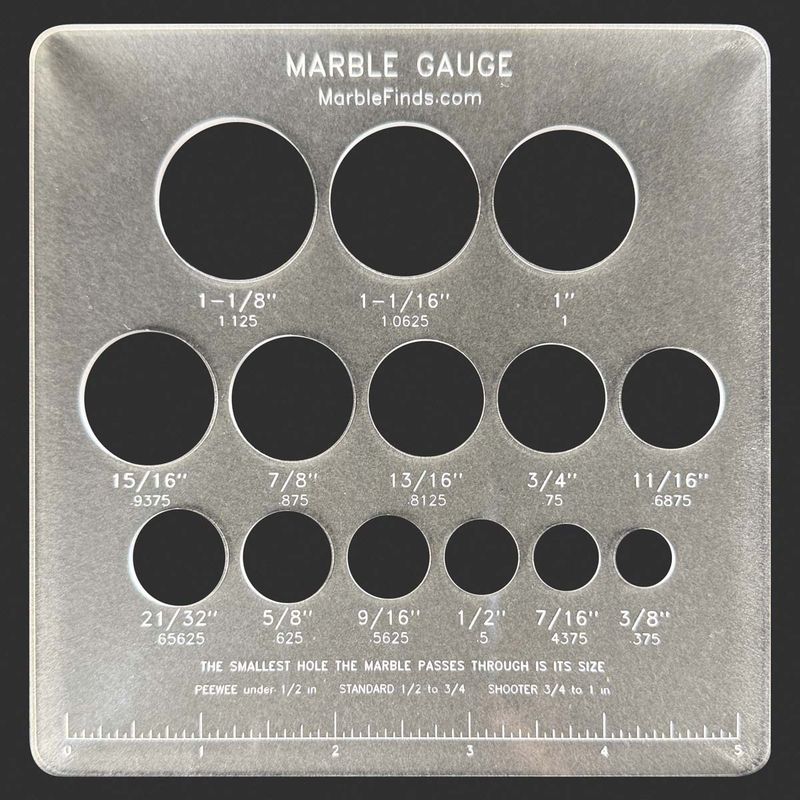
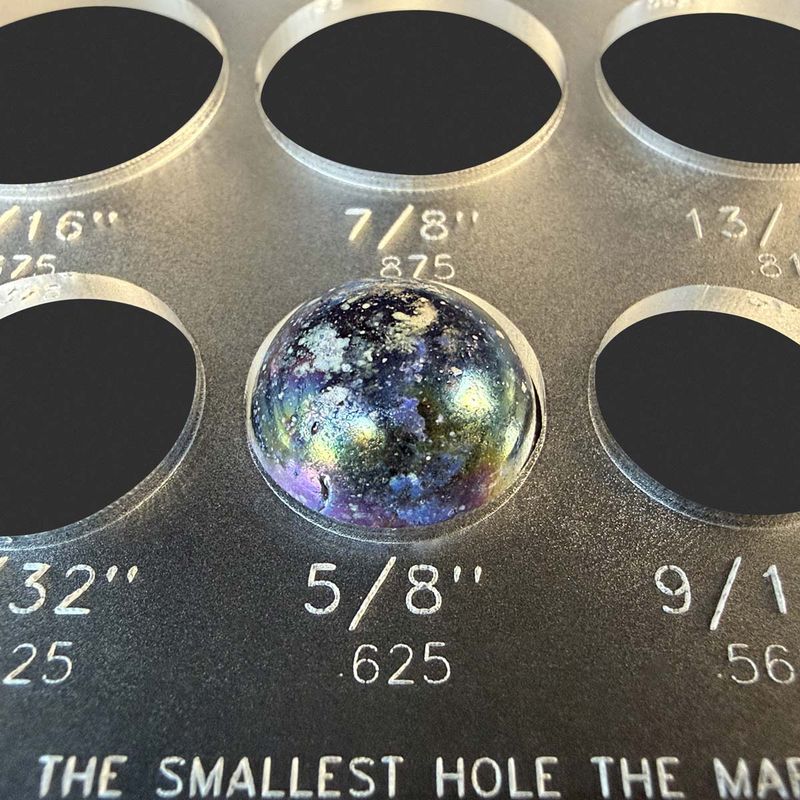
Tools and supplies for sorting, sizing, and caring for a marble collection, designed and tested by a collector of fifty years. Everything here is made to be safe on glass, so you can measure, grade, and display vintage marbles without ever touching them to metal. New items are added as they come out of the workshop.
Akro

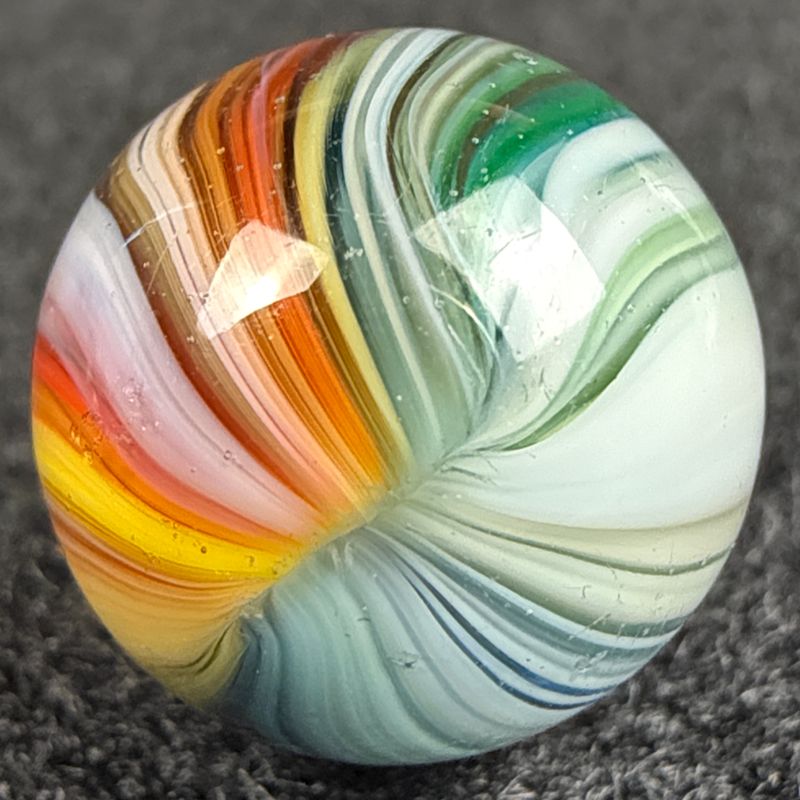
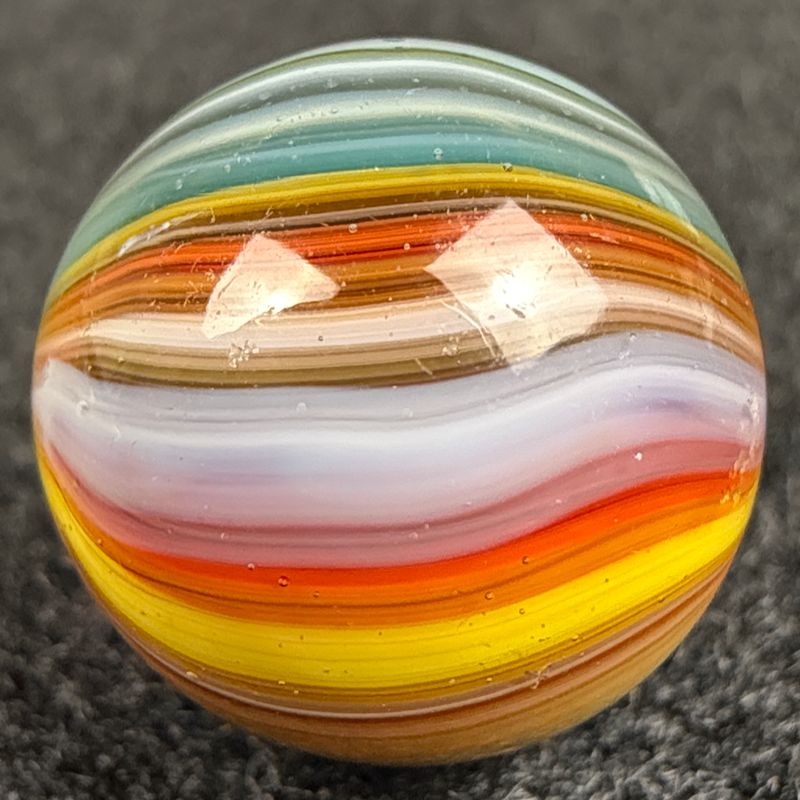
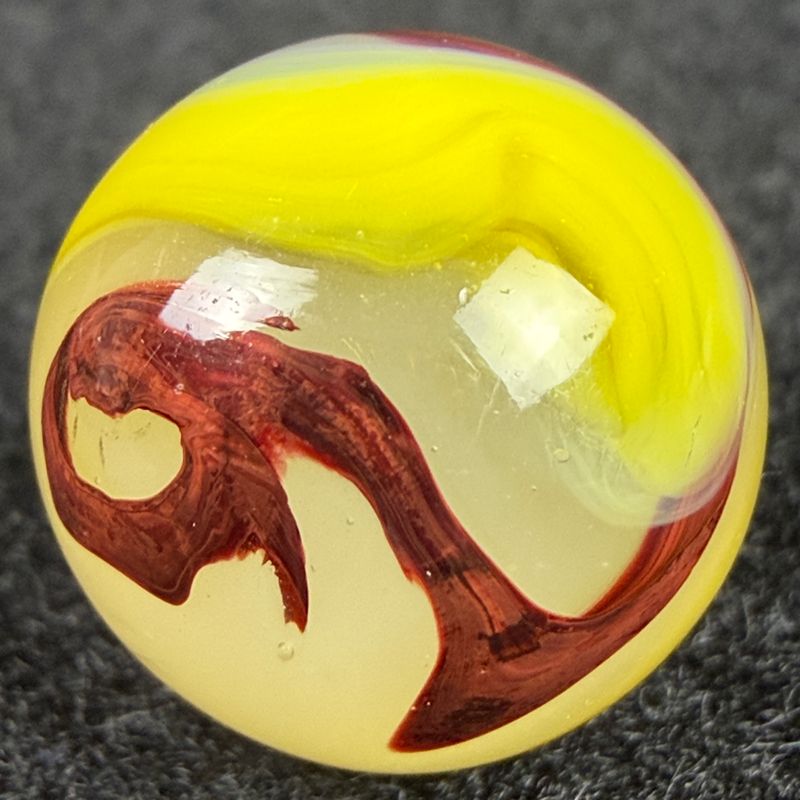
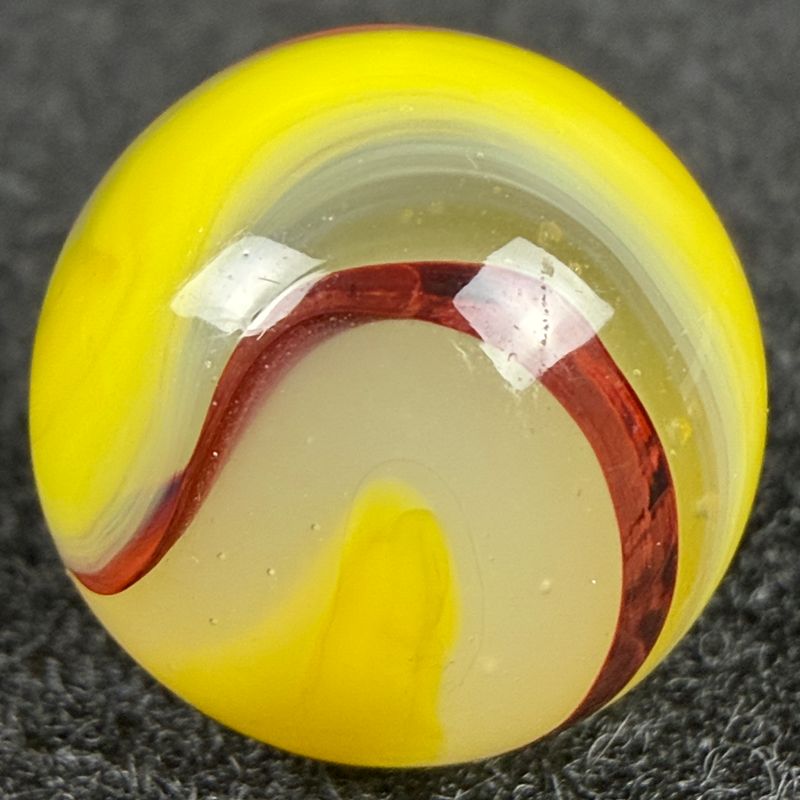
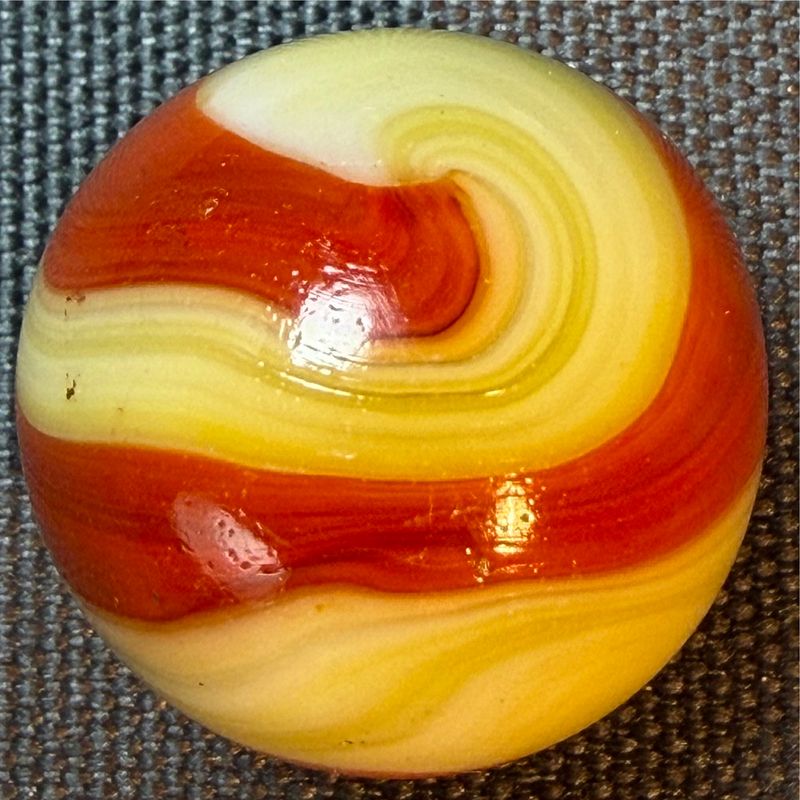
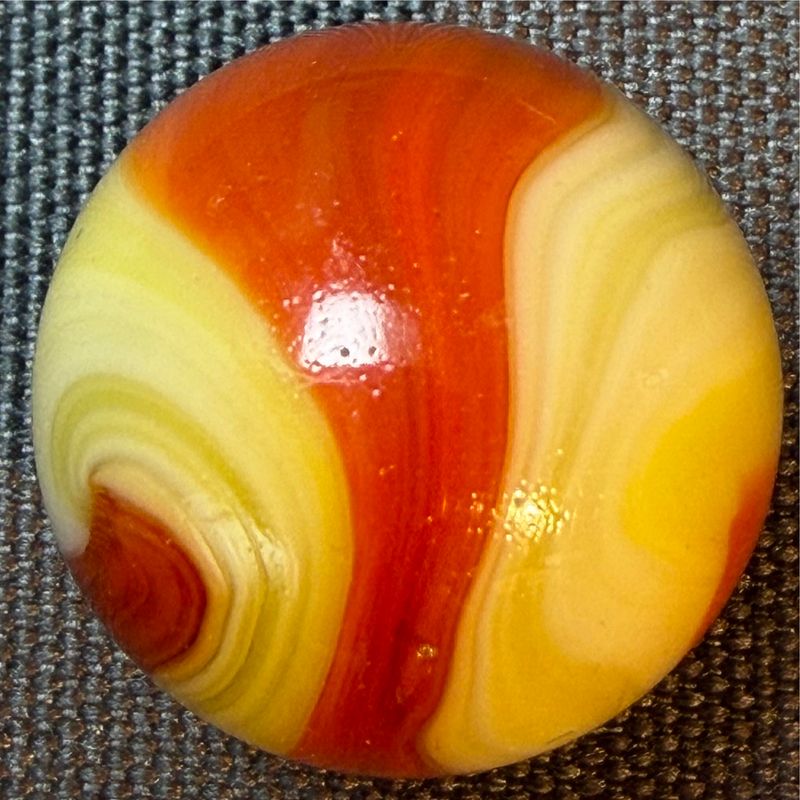
Akro Agate Company operated out of Clarksburg, West Virginia, and remains one of the most recognized names in American marble collecting. The company produced an exceptionally broad range of types - Corkscrews, Spirals, Oxbloods, Slags, and the distinctive Popeye among them - giving collectors plenty of ground to cover regardless of where their interests lie.
Akro marbles are valued for consistent quality, strong color, and the variety available across production runs and condition levels. The category supports both focused specialty collecting and broad general collections equally well, which helps explain its enduring popularity among collectors at every level.
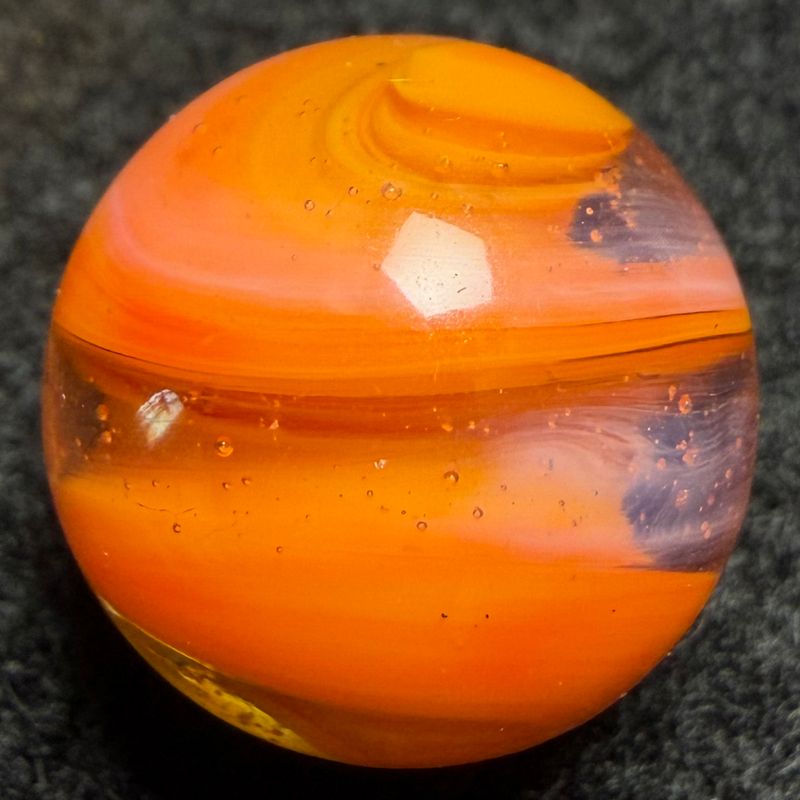
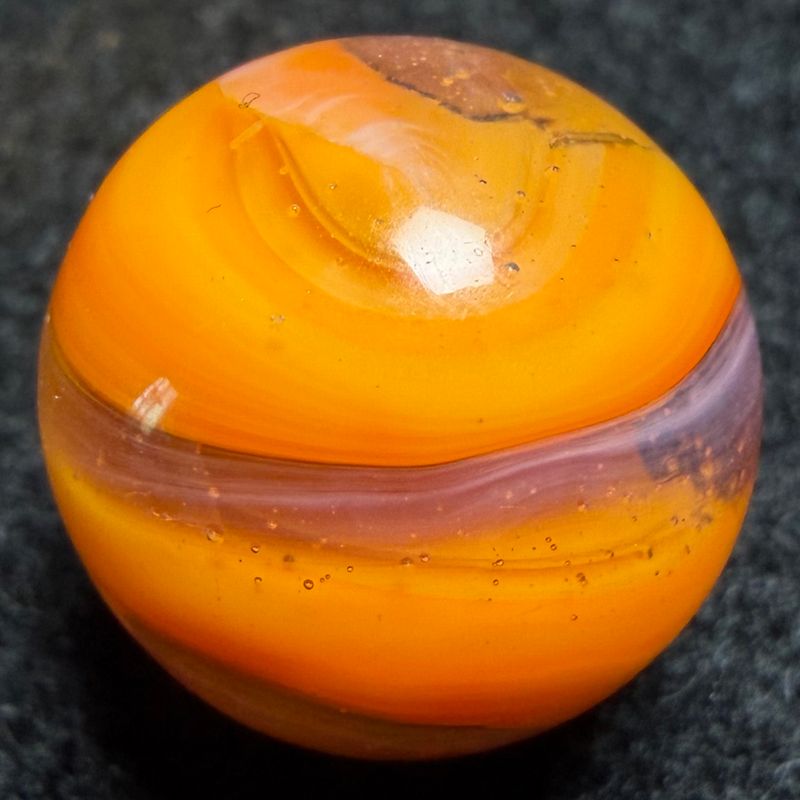
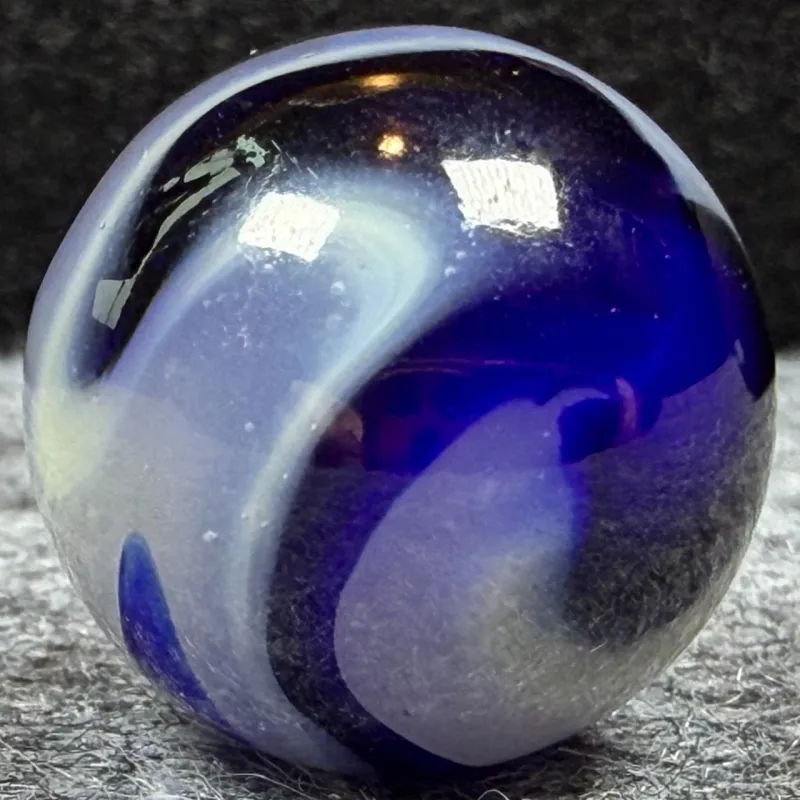
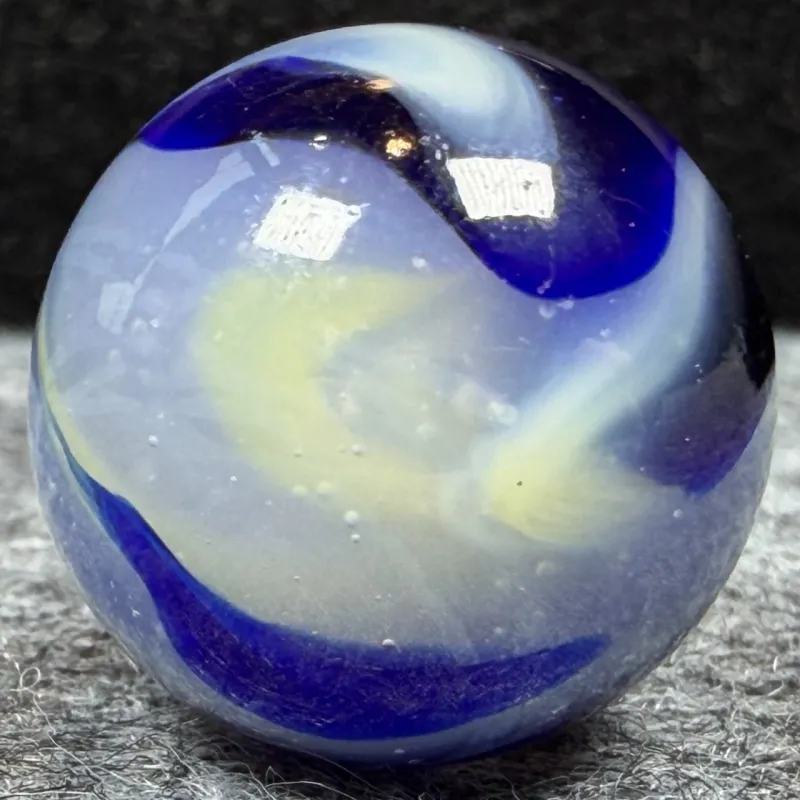
Alley Agate
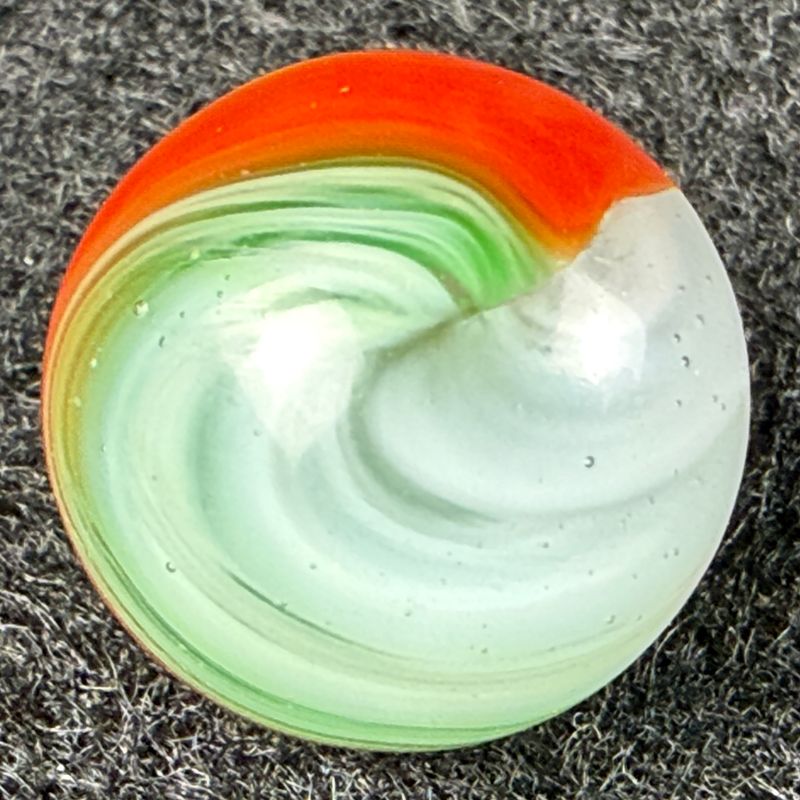
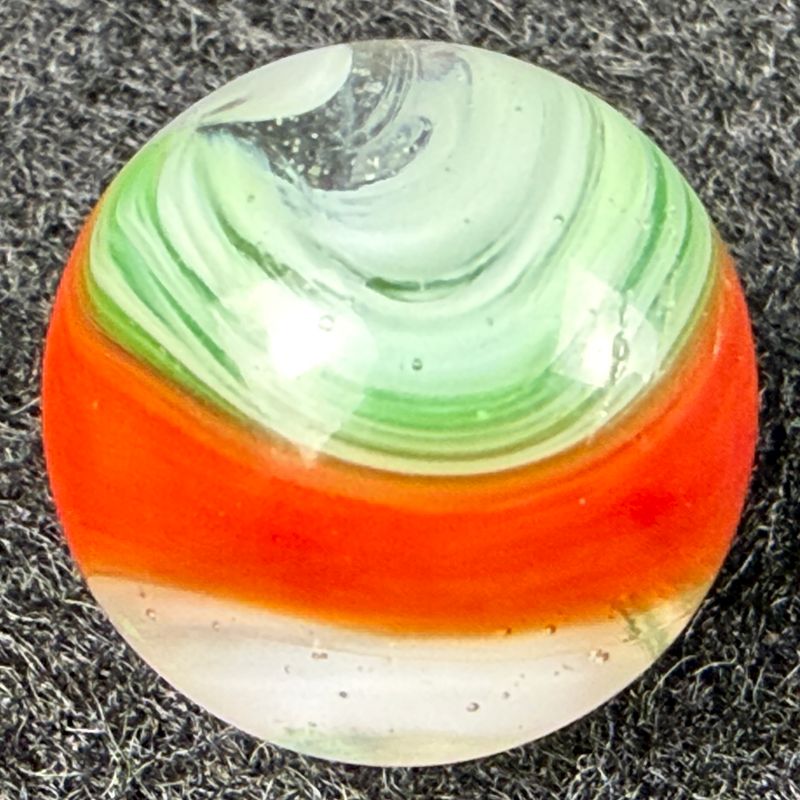
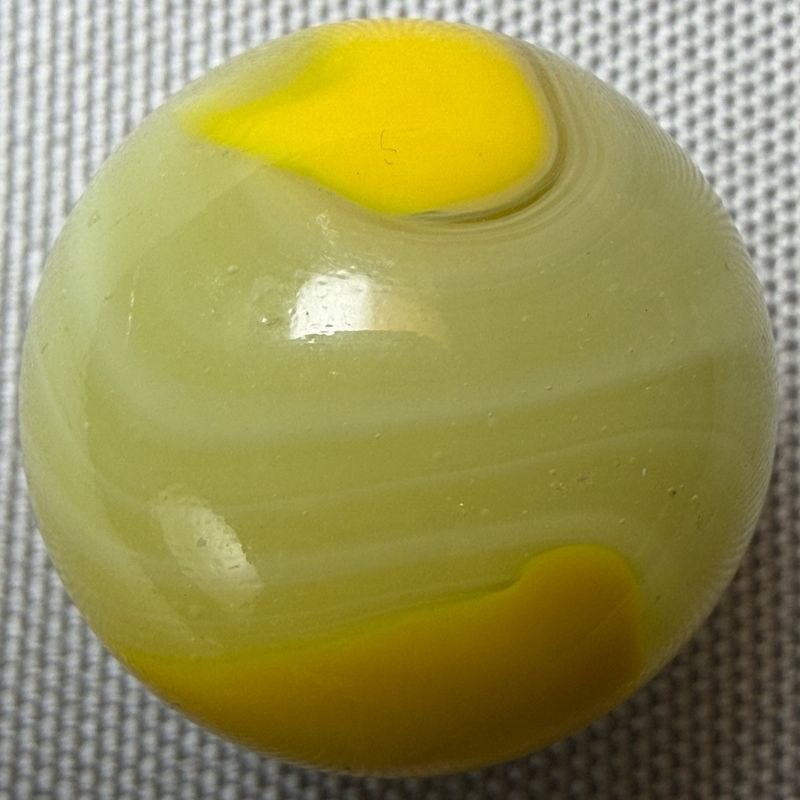
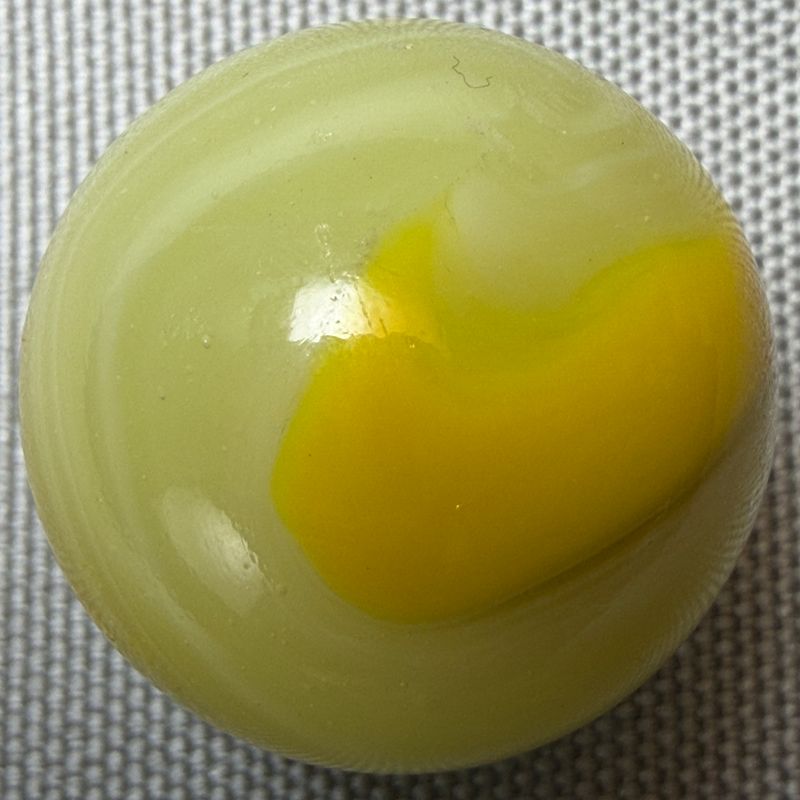
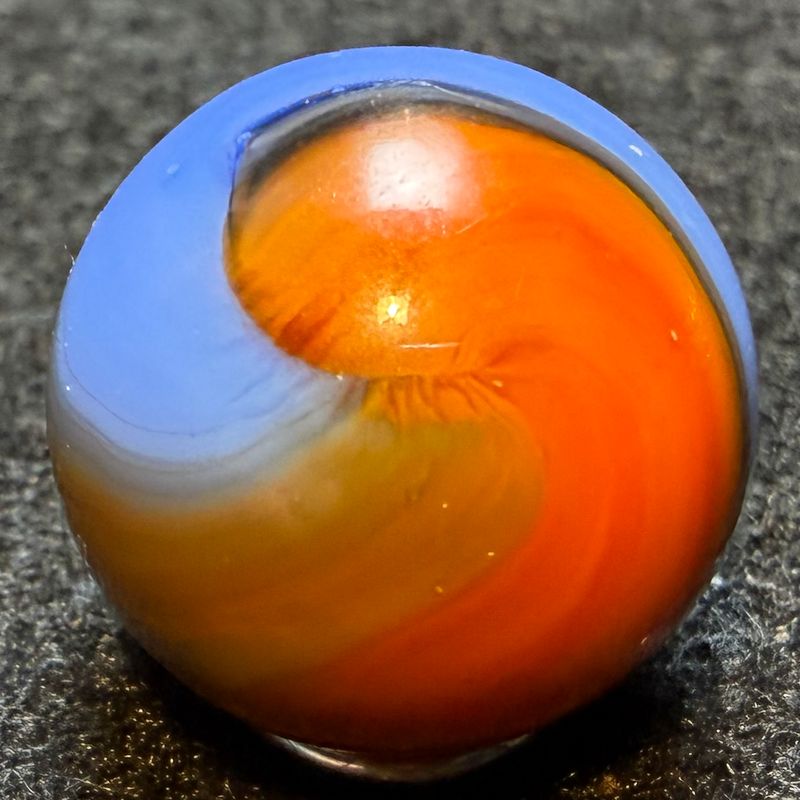
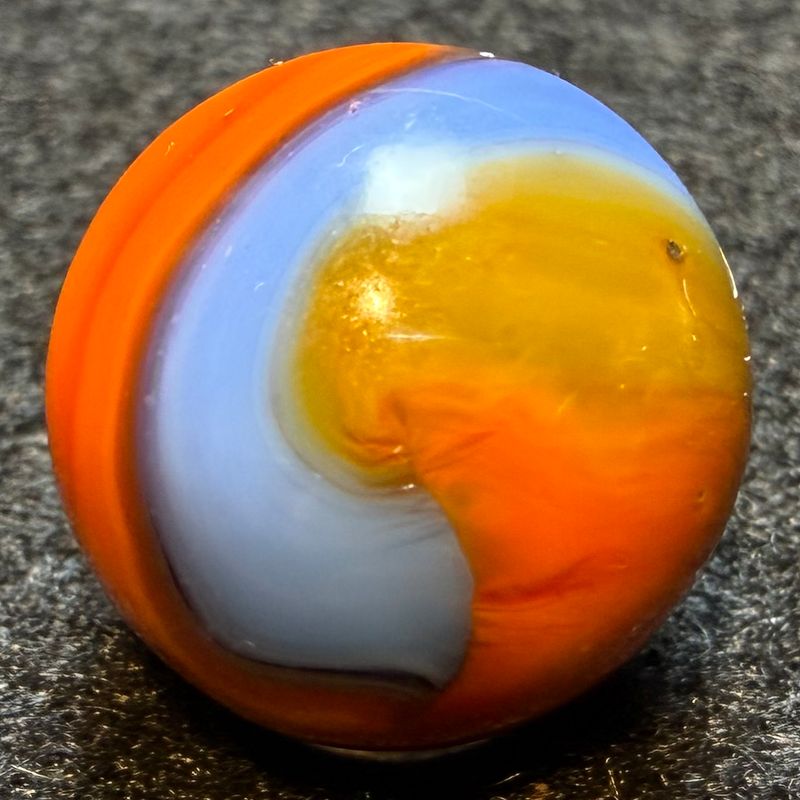
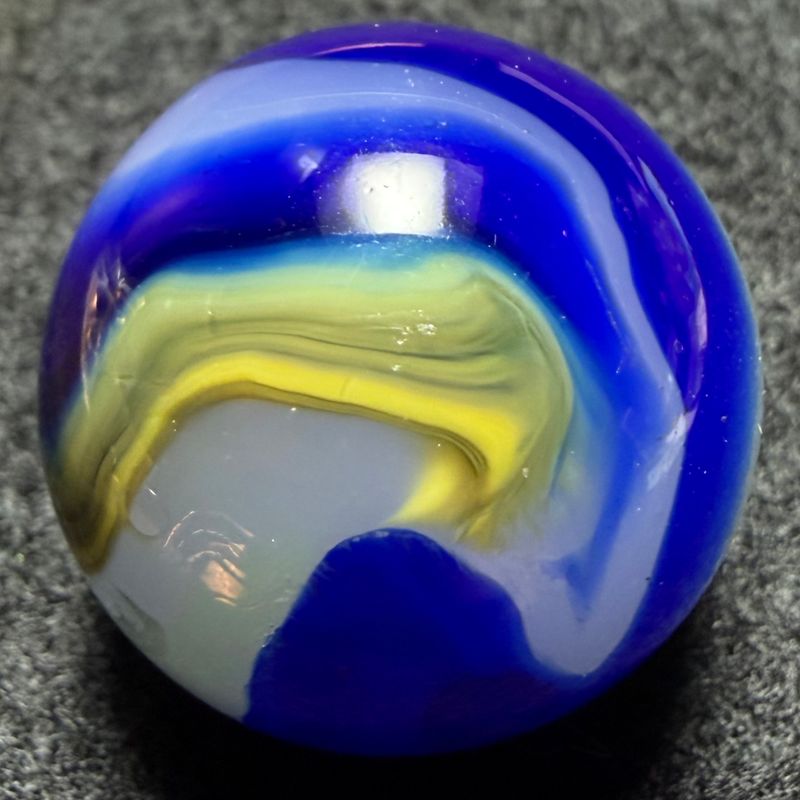
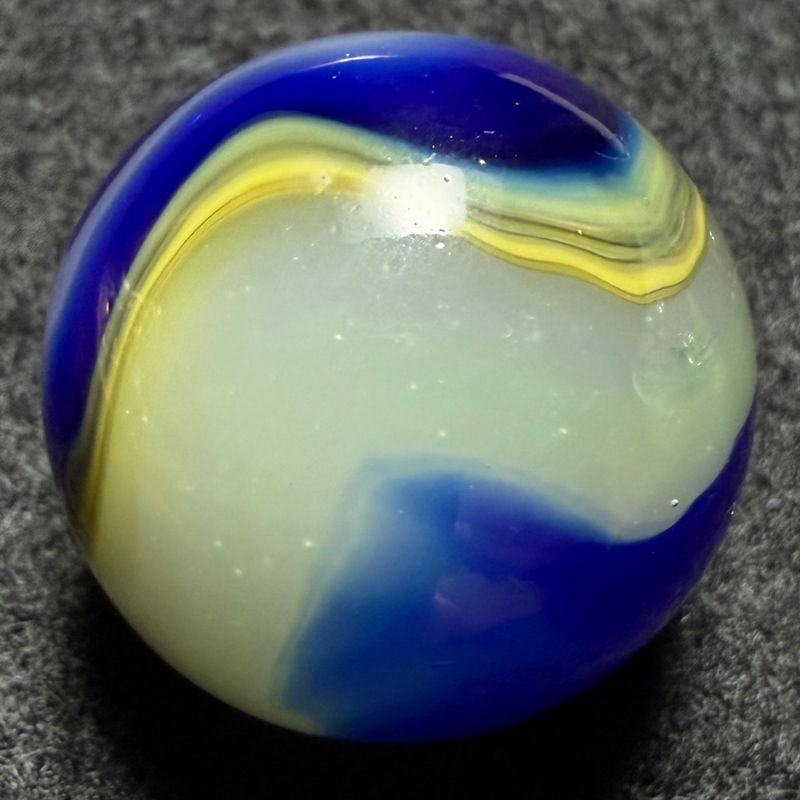
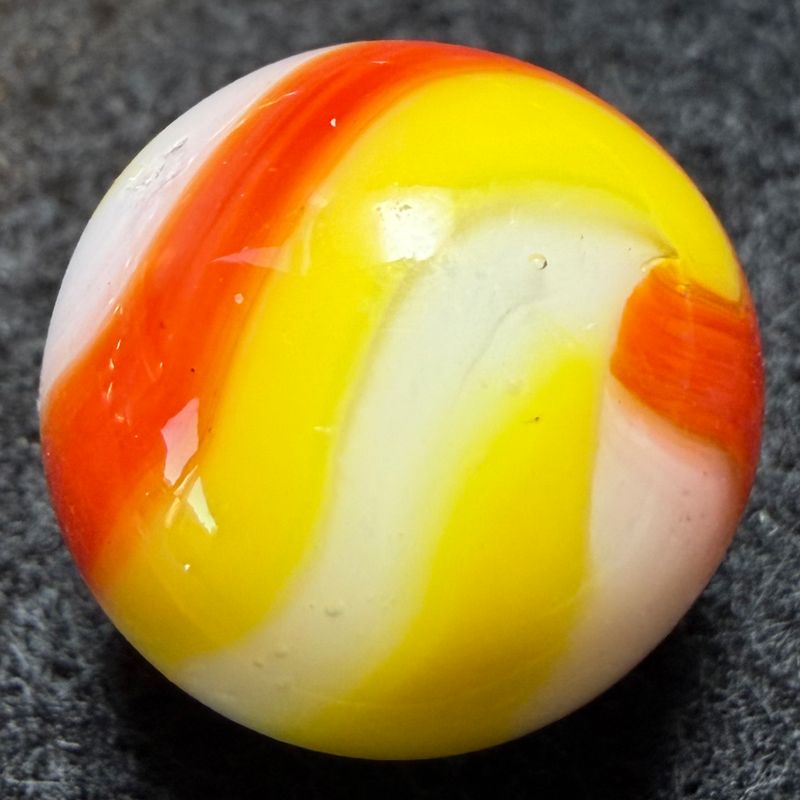
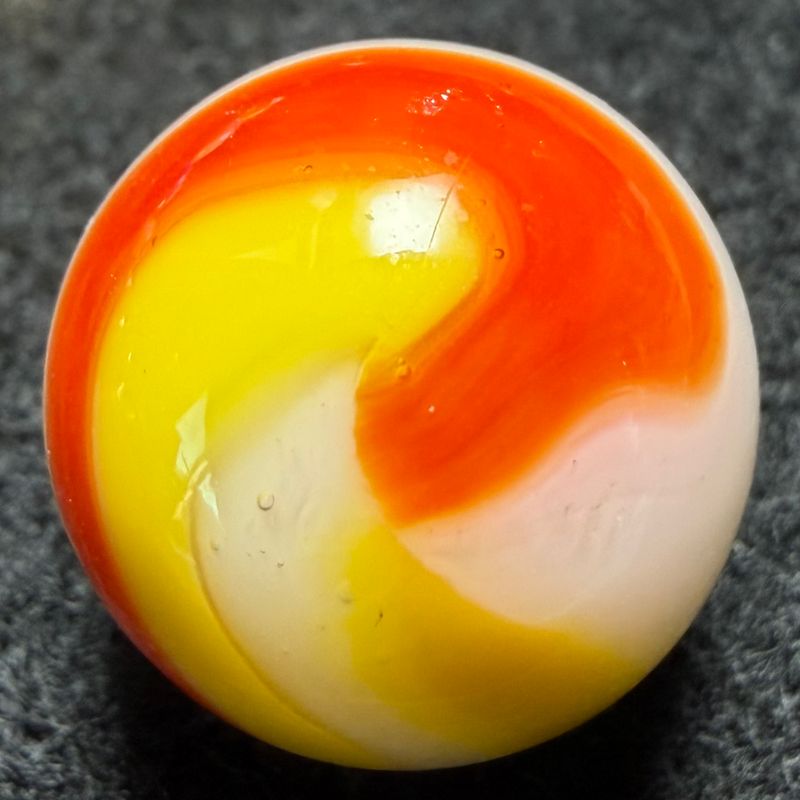
Alley Agate Company operated out of Sistersville, West Virginia, and produced a broad range of machine-made marbles across its years of operation. The company is well regarded for colorful swirl designs in both translucent and opaque glass types that display well and hold their own alongside output from better-known West Virginia manufacturers.
Alley marbles are sometimes overlooked relative to other American makers, which works in the collector's favor. Strong examples with good color and clean surfaces remain findable, and the category rewards collectors willing to look carefully at condition and pattern quality. Every marble here has been individually selected, inspected, and graded.
Christensen Agate
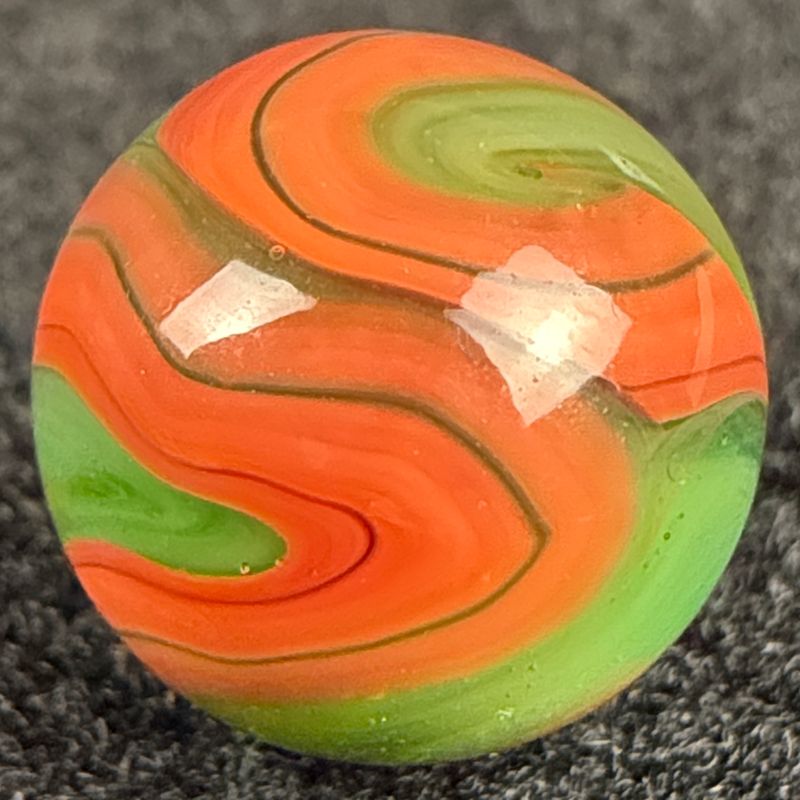
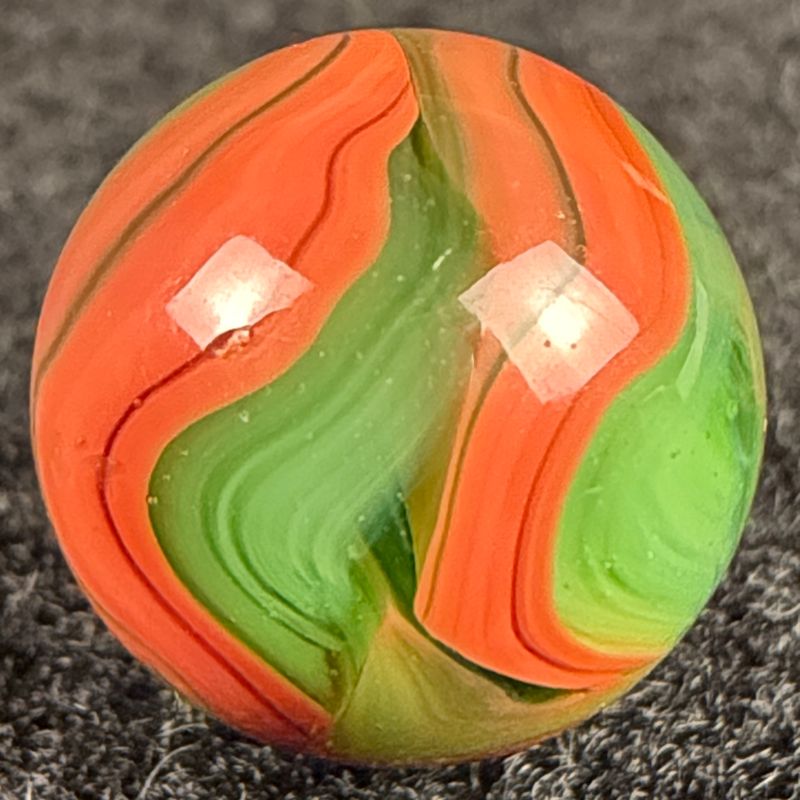
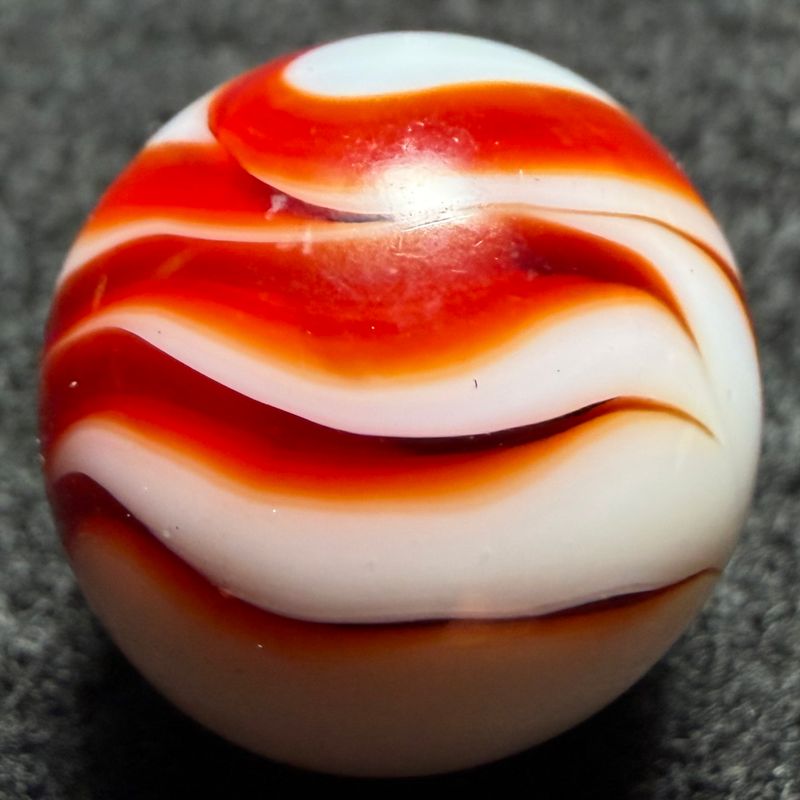
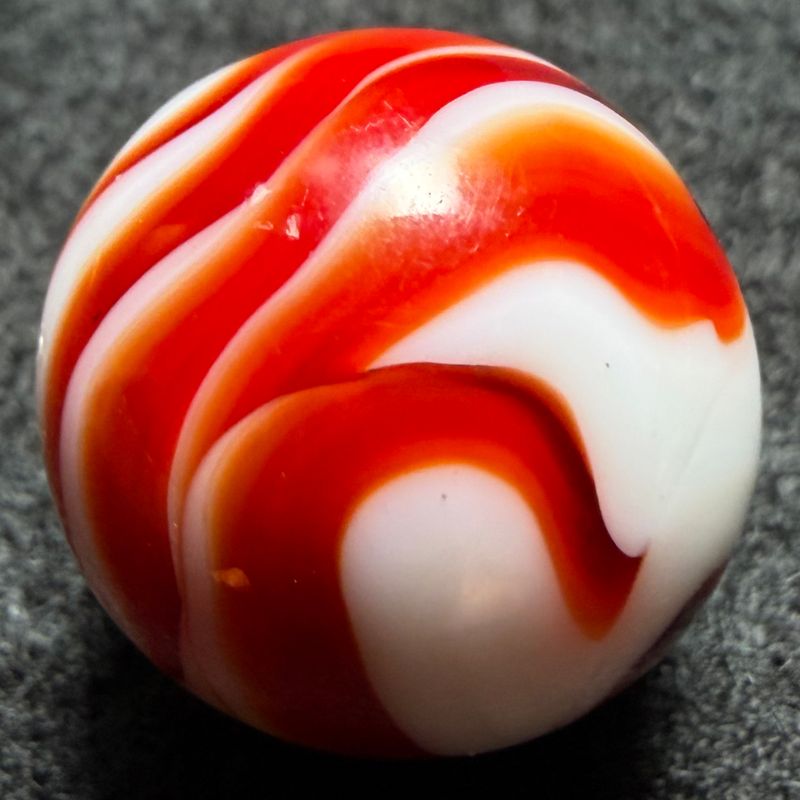
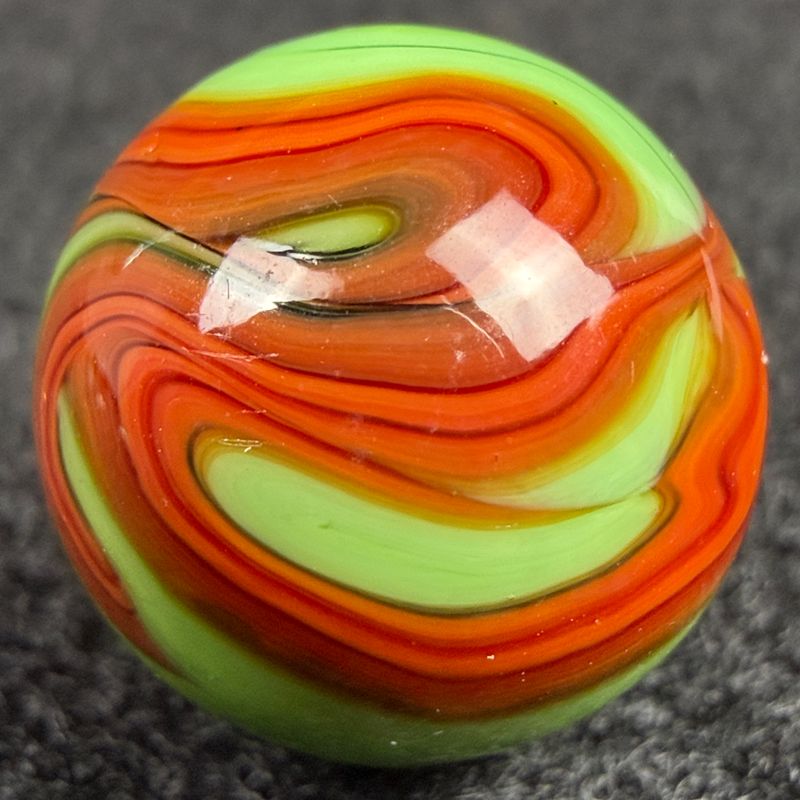
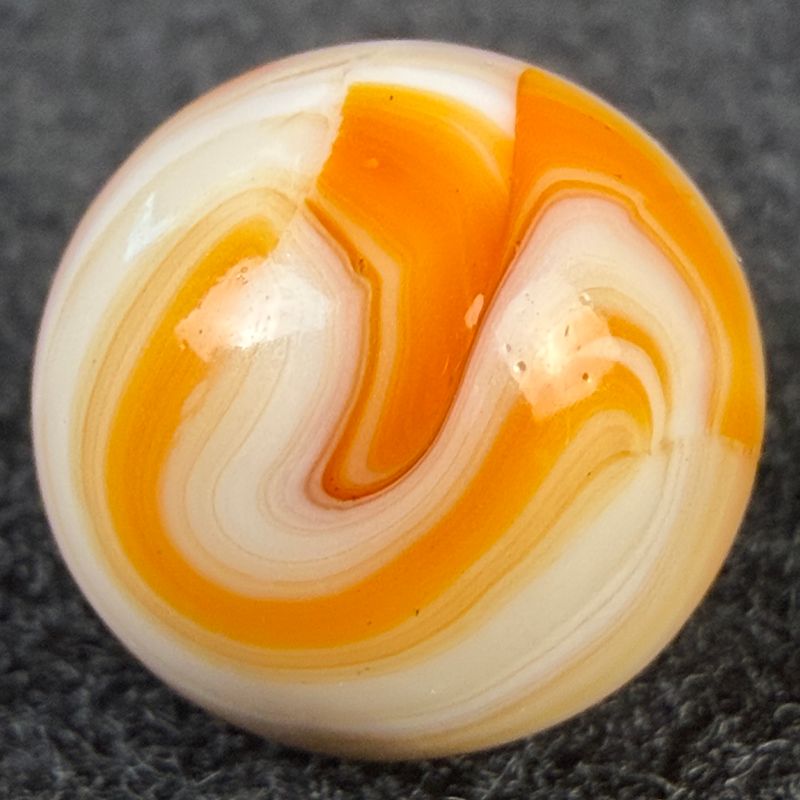
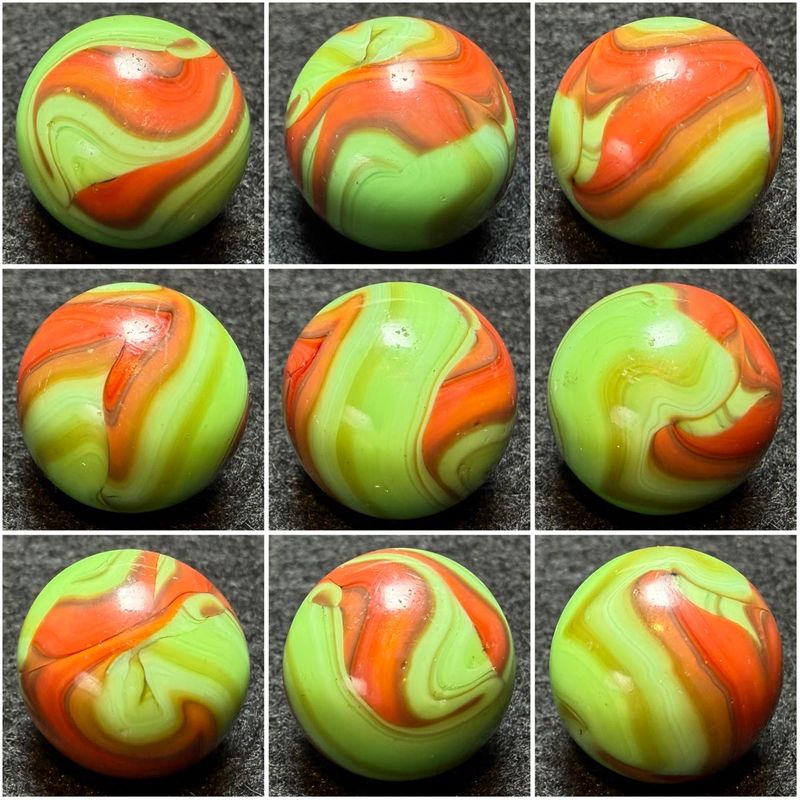
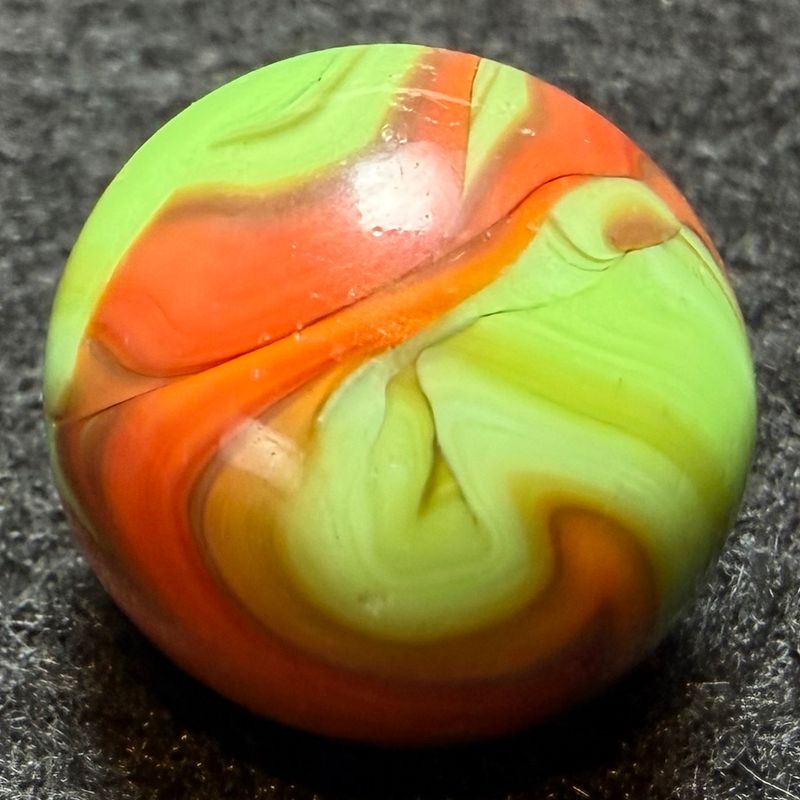
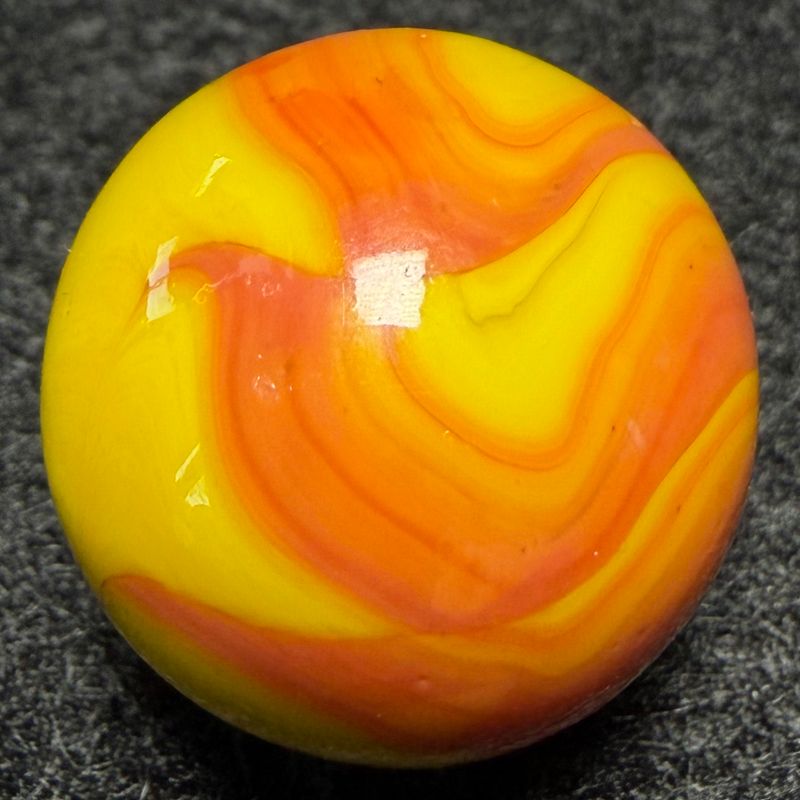
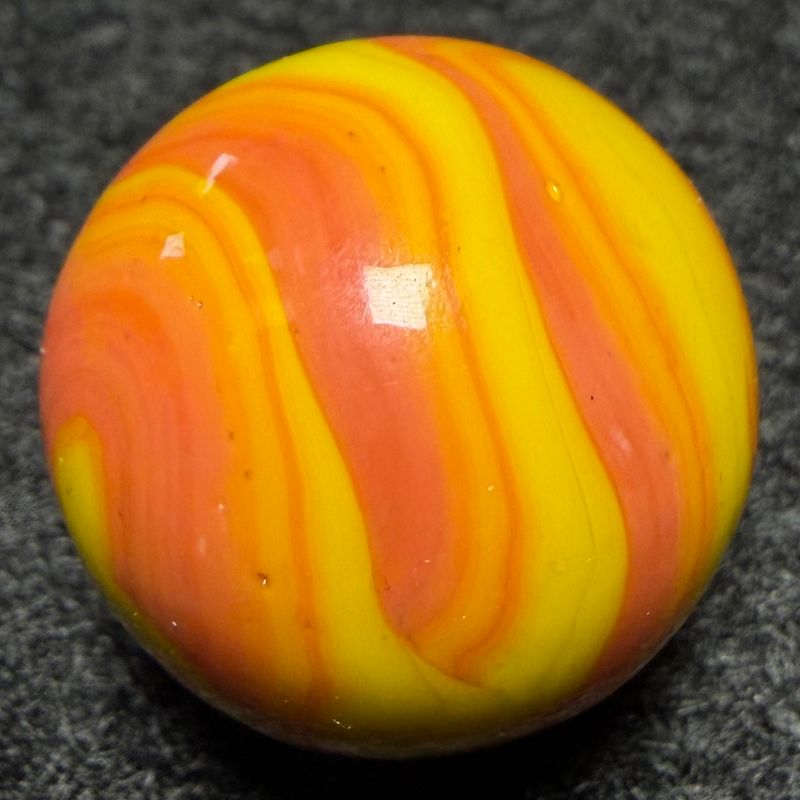
Christensen Agate Company operated briefly in the late 1920s, but its output left a lasting impression on American marble collecting. The company produced machine-made marbles of exceptional glass quality - bold color, sharp seams, and a visual energy that sets genuine examples apart from the broader machine-made field.
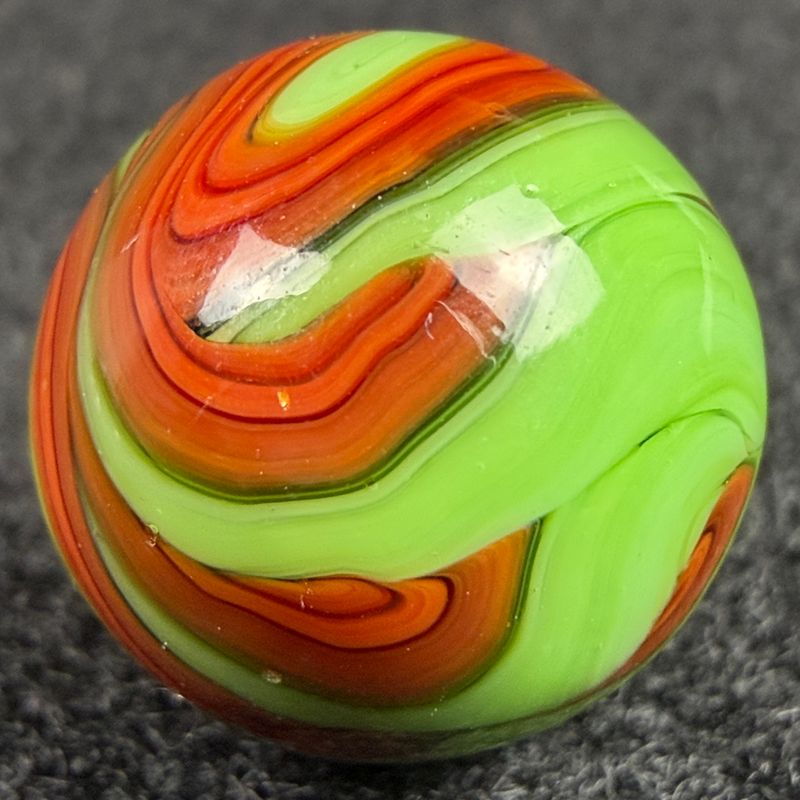
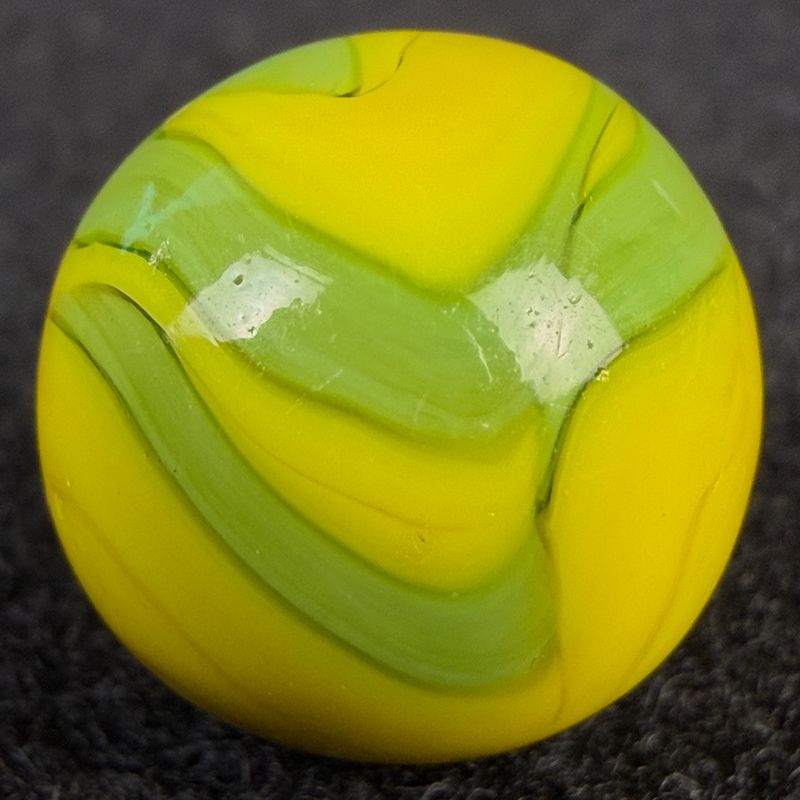
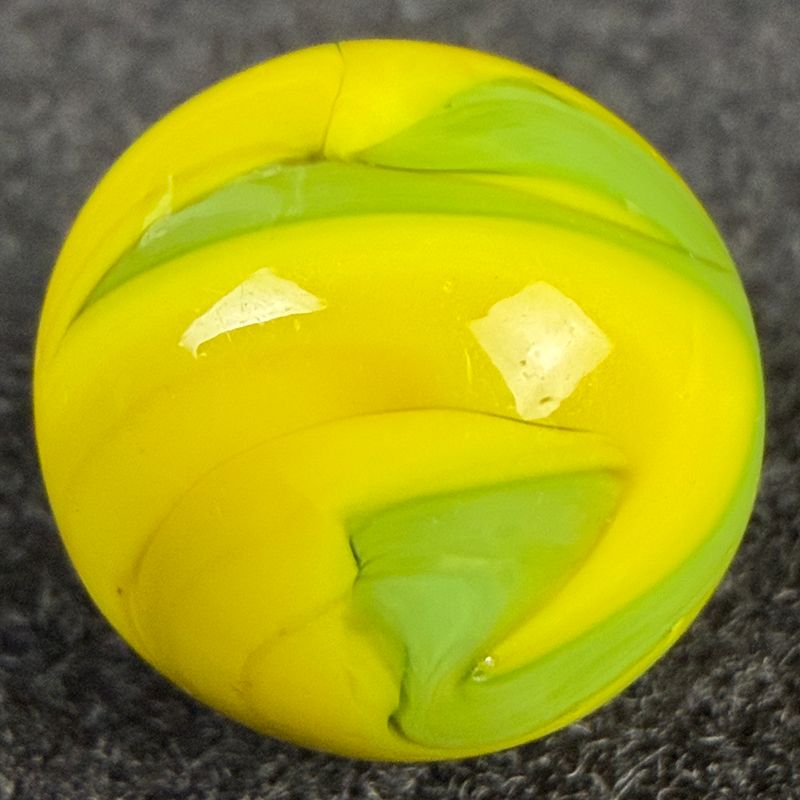
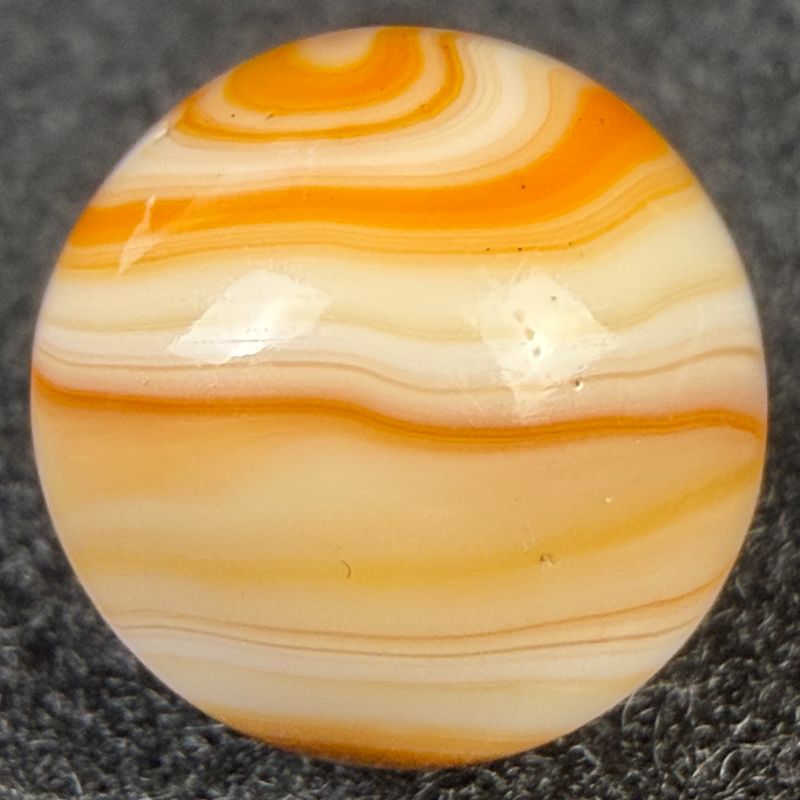
Flames, Guineas, and Swirls are the cornerstone CAC types and remain among the most actively pursued marbles in advanced collections. Strong examples command serious attention, and condition plays an outsized role in how any individual piece presents and is valued. Every marble here has been individually selected, inspected, and graded.
Contemporary Marbles
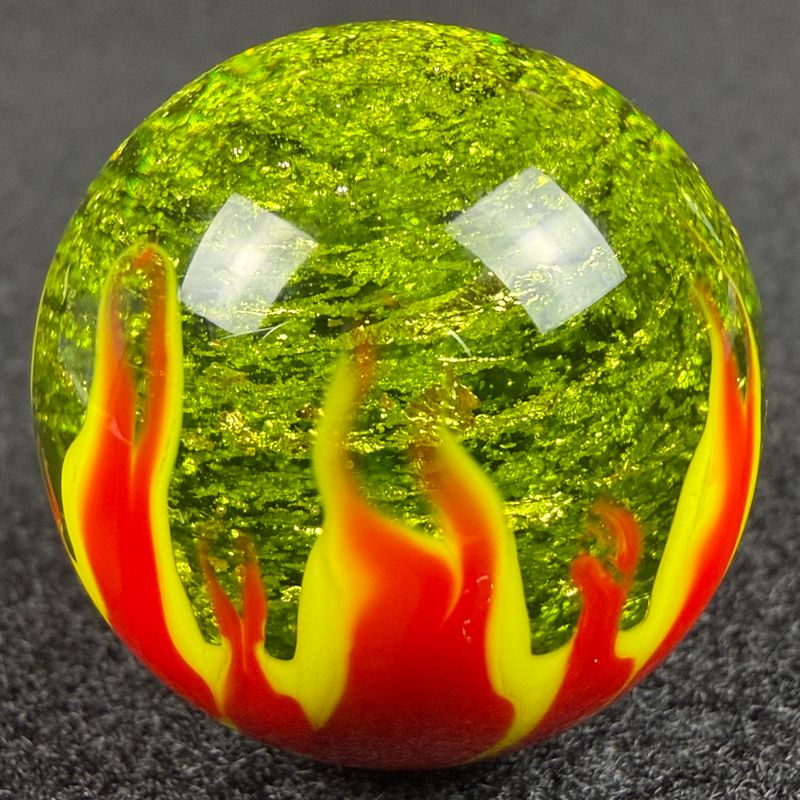
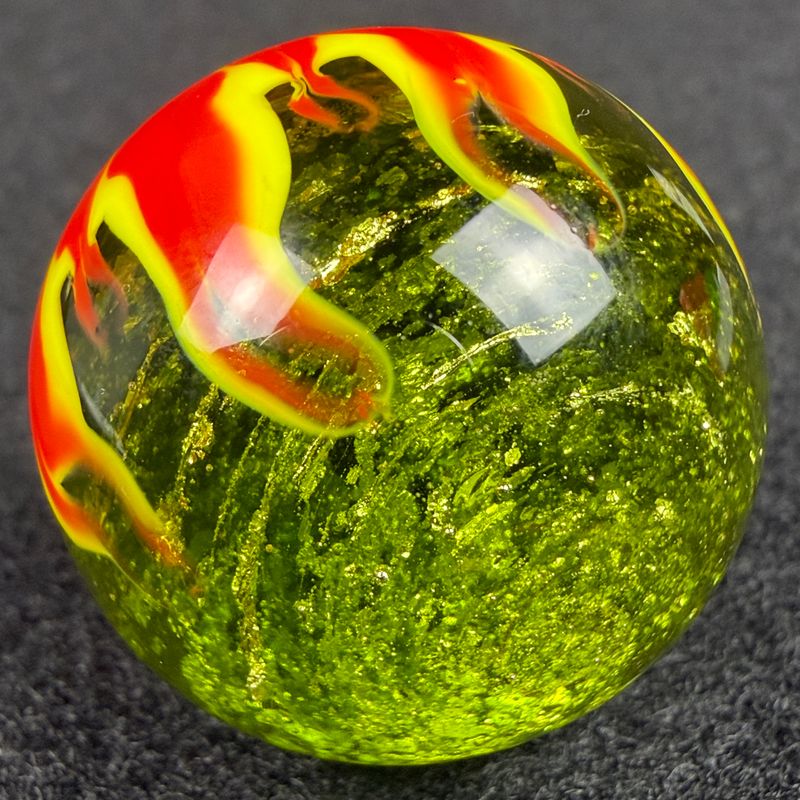
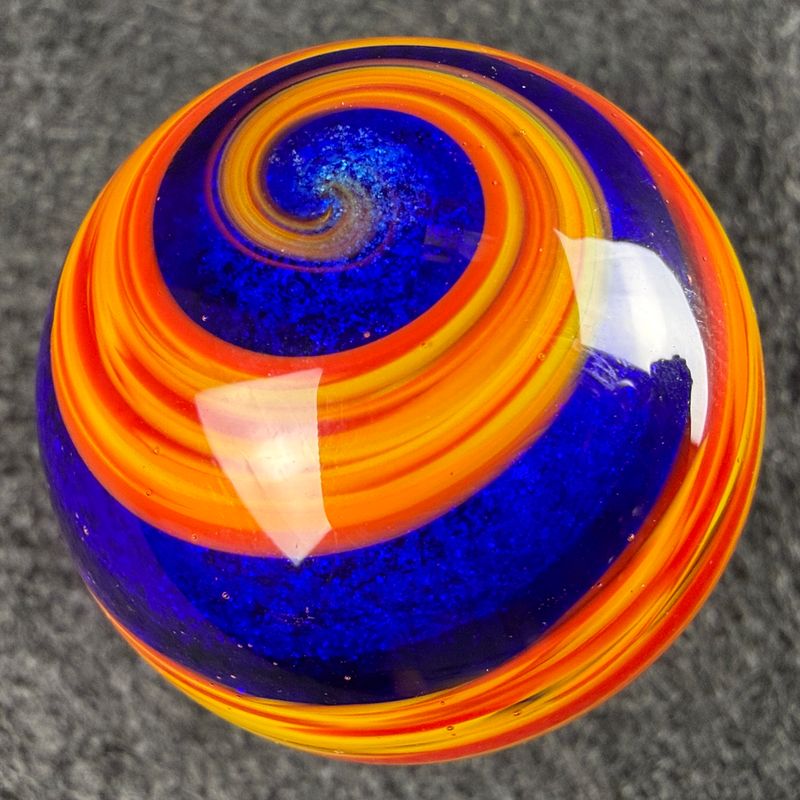
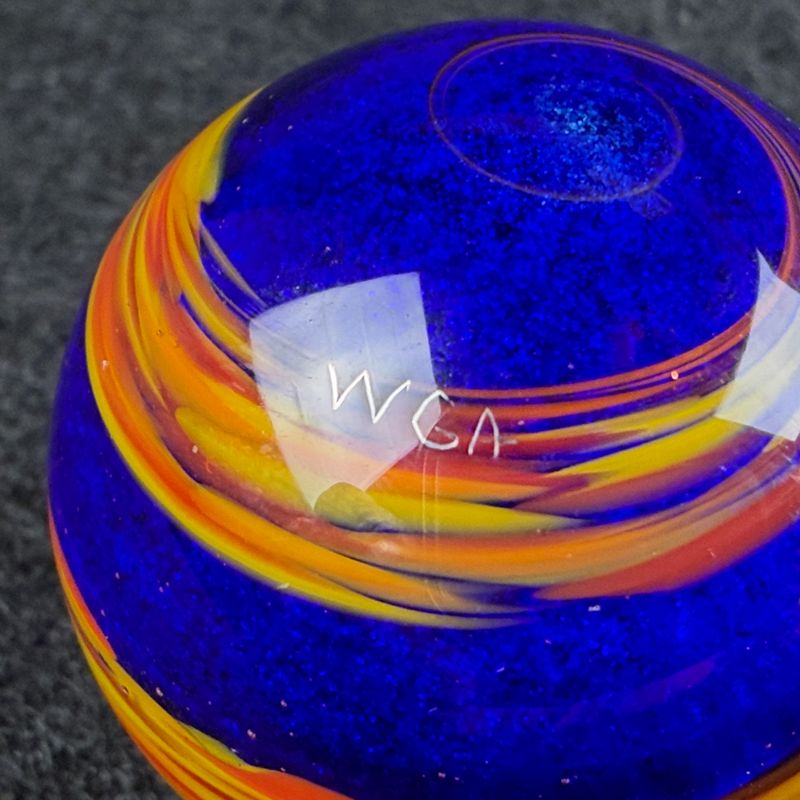
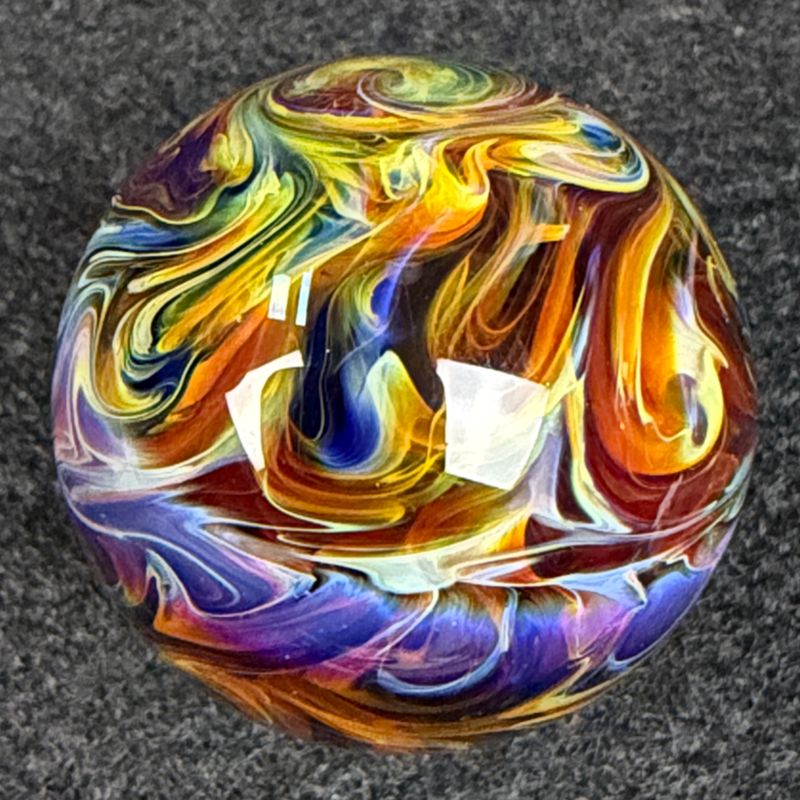
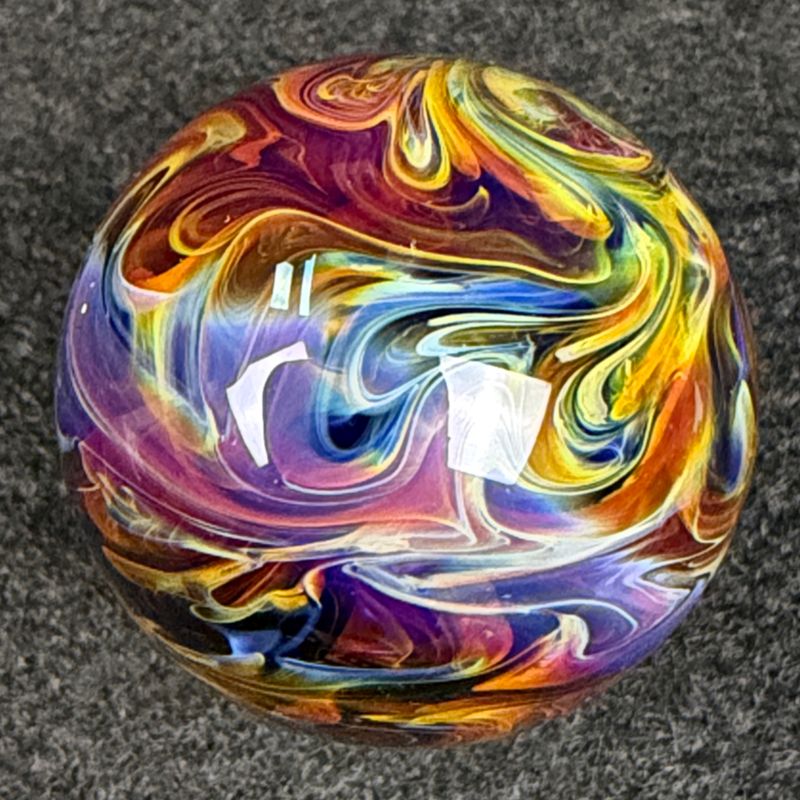
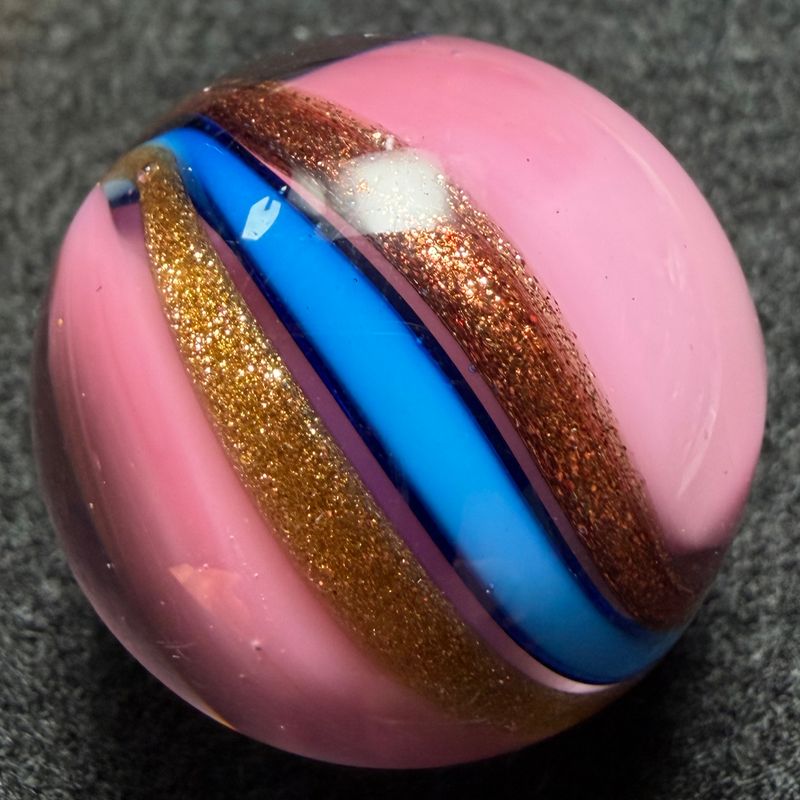
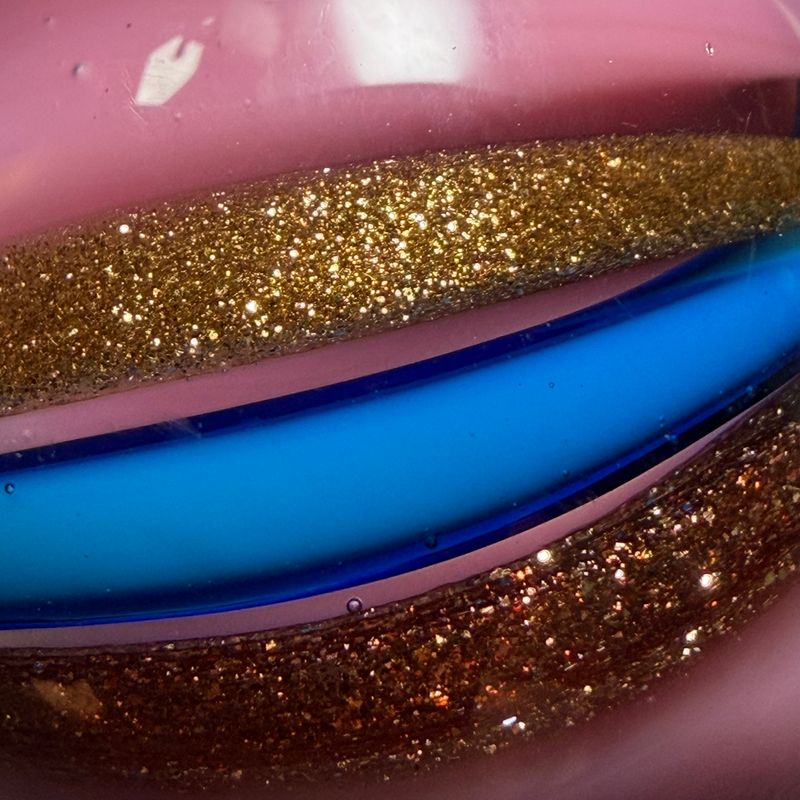
Contemporary marbles represent the modern evolution of marble-making, combining traditional glassworking techniques with innovative design and color exploration. This category may include examples by influential artists such as Josh Simpson, Steve Willis, Mark Matthews, Gateson Recko, Fritz Lauenstein, and others. Contemporary marbles are valued for creativity, craftsmanship, and the distinctive styles emerging from today’s studio glass movement.
German
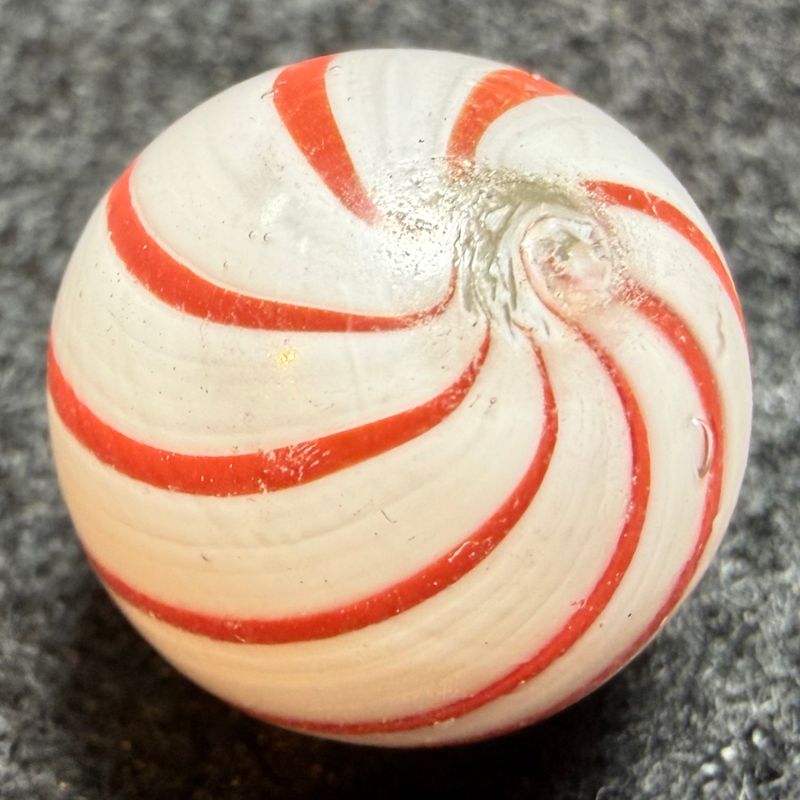
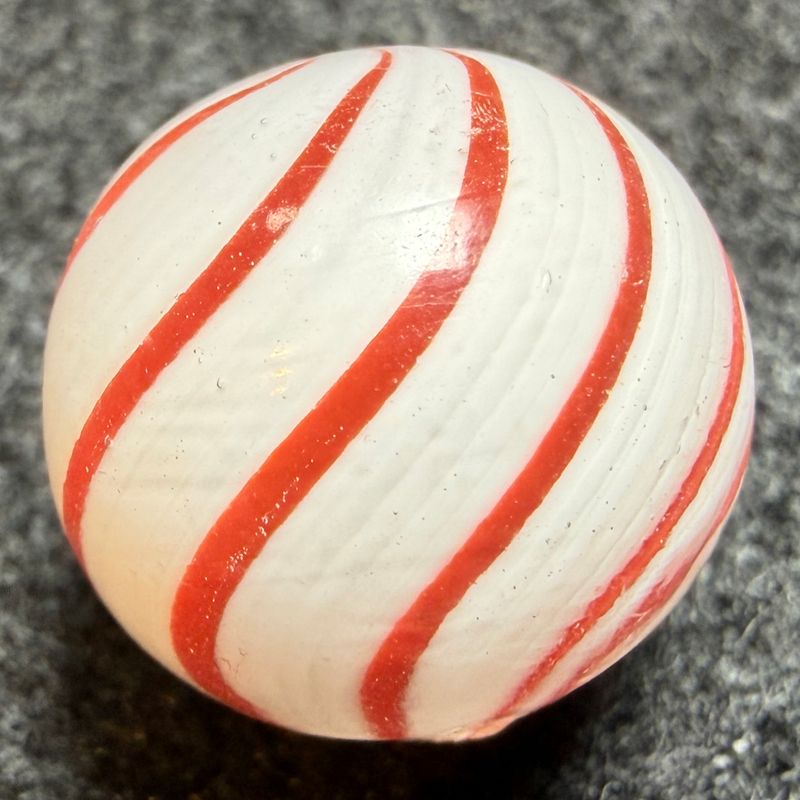
German handmade marbles from the 1860–1920 era represent the golden age of early glass craftsmanship, produced in traditional cottage industries using techniques passed down through generations. These antique examples are admired for their distinctive pontils, rich colors, and beautifully varied designs ranging from latticinio cores to solid swirls and end-of-day pieces.
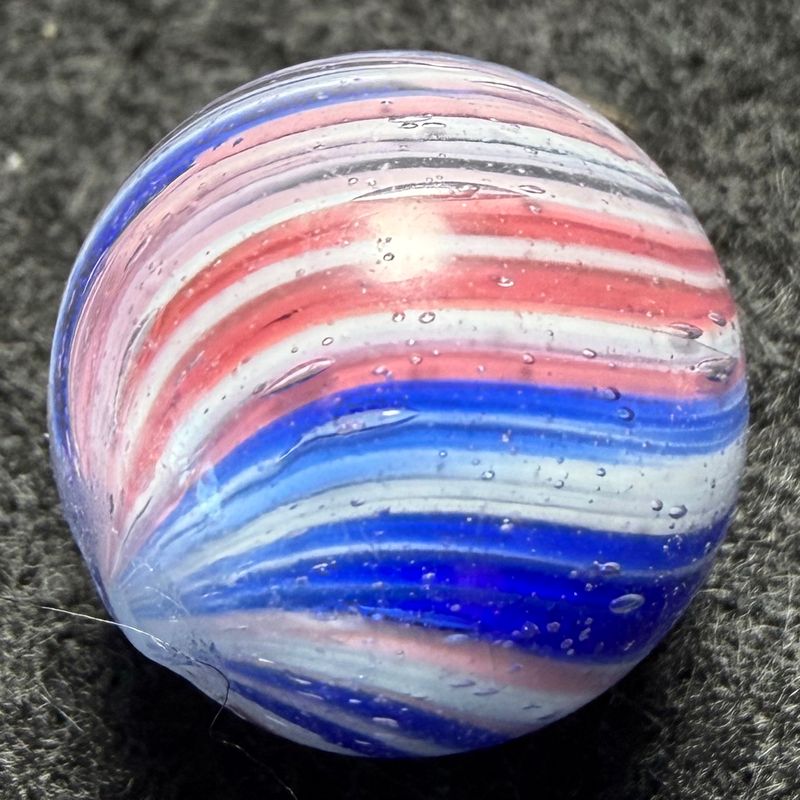
M.F. Christensen and Son (MFC)
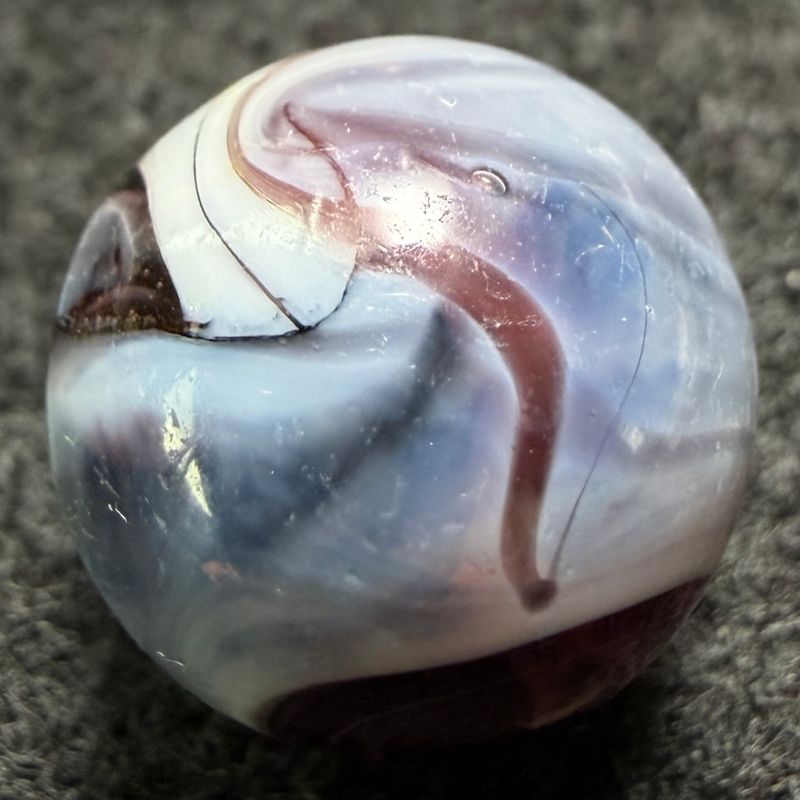
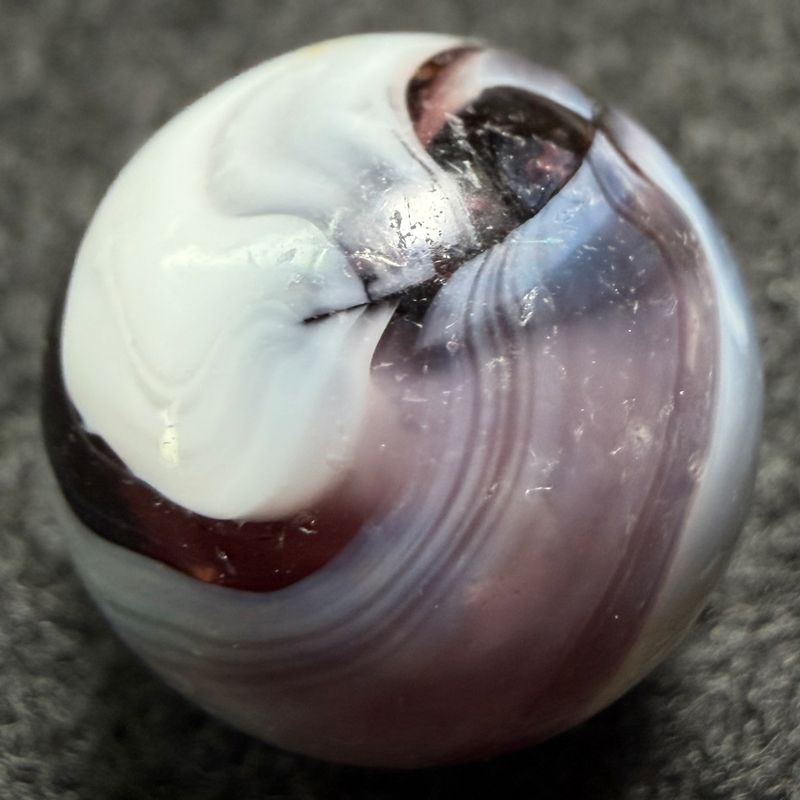
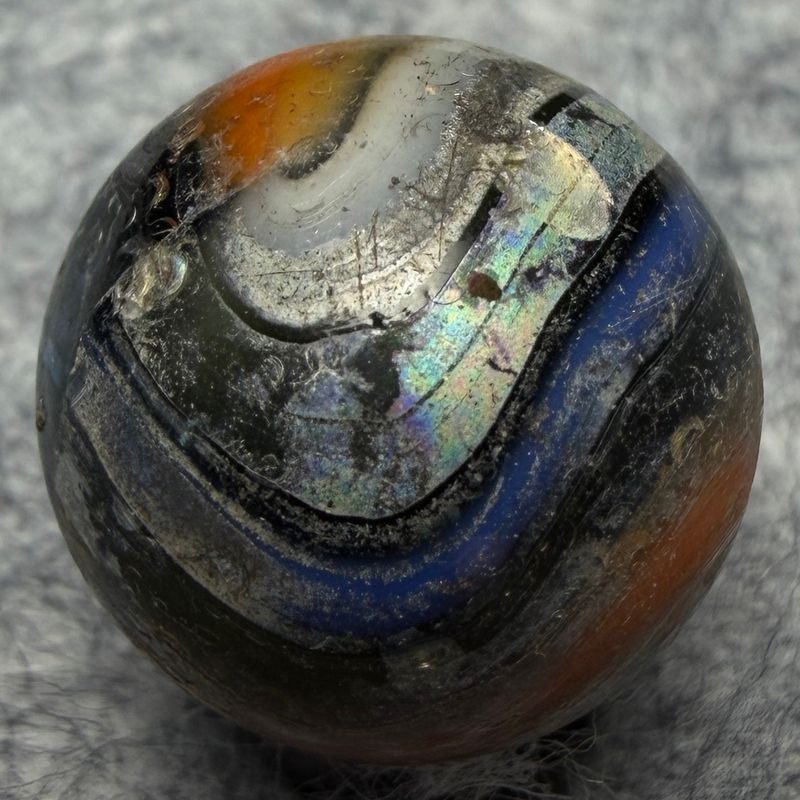
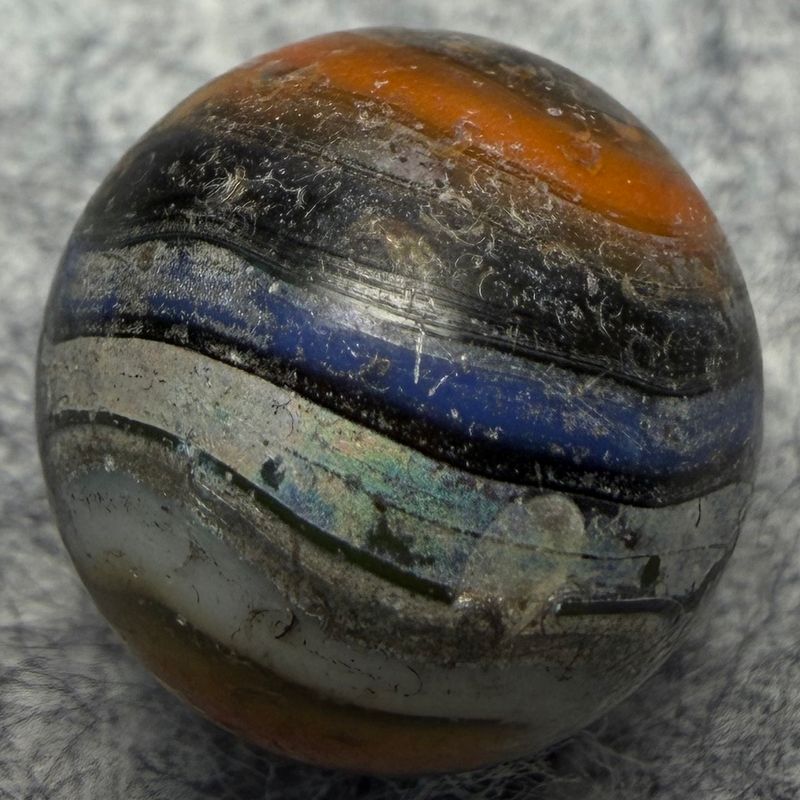
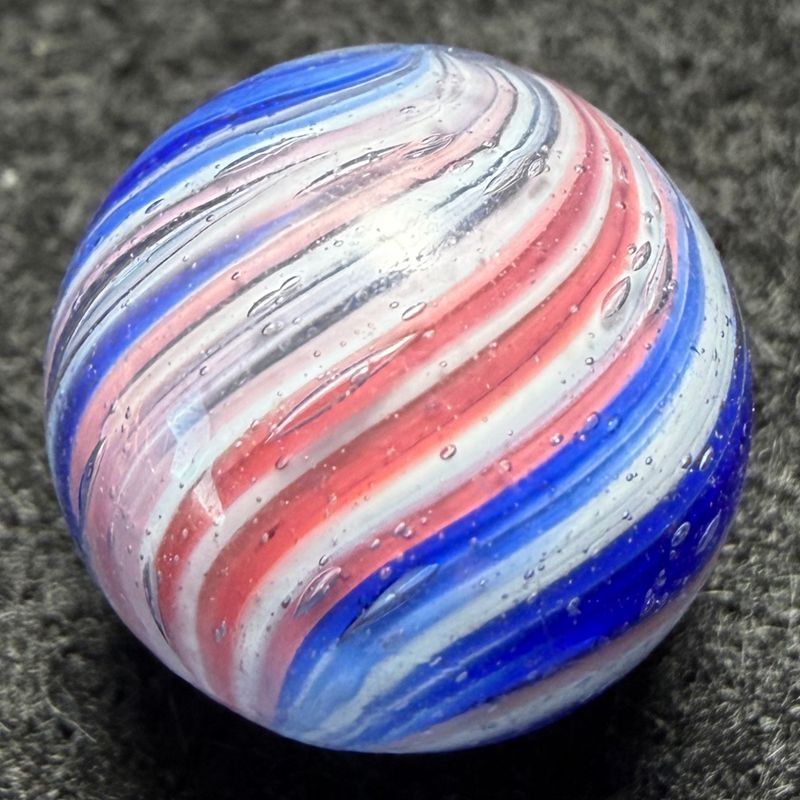
M. F. Christensen & Son Co., usually shortened by collectors to MFC, was one of the earliest American machine-made marble companies. Best known for its slags, the company produced marbles with white or lightly tinted bases layered with flowing bands of color, often in rich and distinctive combinations. Many examples show soft blending, depth, and a handmade look that appeals to collectors.
Condition is especially important with MFC slags, as strong examples with clean surfaces and sharp visual contrast are far less common than played pieces. Today, MFC marbles remain desirable for their early production history, classic American glass, and the quiet beauty found in their better color combinations.